

How a Personal Injury Attorney Can Help You
An attorney for personal injuries is recommended if you have been injured in an accident. They can assist you in recovering damages from the responsible party.
First, determine whether the defendant was negligent. This can be determined by conducting a liability assessment.
Liability Analysis
A liability analysis is a procedure of assessing the amount of money that is due to the victims of an accident. This can include compensation for medical expenses, lost wages, as well as other costs that are incurred by the accident.
Once your attorney has gathered enough evidence to back a claim, they will begin conducting a risk analysis. This includes studying case law, common laws, statutes and legal precedents.
A liability analysis is vital when it comes to personal injuries lawsuits. It can help you determine how much money you might be entitled to in compensation for your injuries and losses. It can also play an important role in the negotiation process and ultimately the outcome of your case.
In personal injury attorneys salt lake city of cases, gathering enough evidence to back your claim and show the defendant's negligence is the primary step in a personal injuries case. Usually, this involves gathering medical records, witness statements, and other documentation that supports your assertions.
This process is not just lengthy, but it is essential to the legal process. It helps ensure that the defendants are held accountable for their actions, and that you are able to recover damages for the injuries you sustained.
After gathering evidence to support your claim, the attorney will conduct an analysis of your liability to determine the amount you are liable. This will involve analyzing the California case laws, common laws, and statutes.
In addition the attorney will go through all relevant medical records in order to ensure that your claims are legitimate. This could involve contacting any doctors or hospital staff who have treated you and asking for detailed reports.
This type of analysis can be more difficult when your injuries are complicated situations or are rare. This is particularly true when your injury is caused by drugs or products.
The attorney will analyze your damages and determine the value of your medical bills, lost wages and other costs. This will allow the attorney to estimate the worth of your case and determine if it's worth the effort to pursue your claim.
Mediation
Mediation is a different dispute resolution process where parties attempt to reach a mutually acceptable solution to their dispute prior to proceeding with trial. It is a voluntary procedure, and anything that is said during mediation is confidential, and cannot be used by the other party in court.
Mediation is often the initial step in settling an injury lawsuit. It can save both parties time, money, stress, and time. Sometimes negotiations, however get stuck in a rut.
This is why you need an attorney who can handle mediation. He or she will help you navigate the mediation process and bring your case to a successful conclusion.
A personal injury attorney will also be able to prepare you for mediation so that you're well-prepared mentally and emotionally for a productive experience. They will ensure that you have all of the information you require, including your medical records and personal information.
When you've had the chance to meet with a mediator, they'll start by taking a look at you and your circumstances. They will ask you questions regarding your injuries and the family you have. They will listen to your thoughts and help you decide what to do next with your case.
The mediator will then look at all the evidence from the case, and will be able talk to you about your settlement options. They'll give you an accurate estimate of what your case will likely settle for.
After you've had a chance to meet with the mediator, they'll schedule a meeting with you and the defendant's insurer company. They'll go over the settlement options and find out what you're looking for in a final resolution of your case.
If the mediation does not result in a settlement, the mediator will be able to assist both parties via telephone or in separate sessions. They can also monitor other channels, such as expert consultations or depositions.
This is especially useful when the case involves a serious injury as it provides the mediator with an idea of what a fair settlement would be for the plaintiff. Then, the mediator will have a better idea of what to offer the defense.
Settlement Negotiations
If you're injured in an accident caused by someone else, you need to get compensation for medical expenses and loss of income. An attorney who specializes in personal injury can assist you in obtaining the compensation you deserve by negotiating with the insurer to your advantage.
Settlement negotiation involves back-and forth exchanges with the insurance adjuster from the other party where both sides trade proposals to reach an agreed-upon amount of compensation. The process could take weeks, months, or years depending on the case.
It is essential to remain calm in negotiations. The emotions can cause delays in settlement negotiations, and could lead to you missing out on a better deal.
Before a settlement meeting you should think about what your priorities are and the way you'd like to be treated by the other side. These issues can be discussed to help to come up with solutions to meet your needs and avoid any future conflict.
It is vital to ensure that the settlement agreement accurately is what you signed at the beginning of negotiations. It is easy to miss certain elements of the agreement, particularly in the event that you've already signed the document.
It is important to be aware that insurance adjusters may be more motivated by money when they negotiate with you. Therefore, be aware that they might offer a lower sum than what you requested in your demand letter.
It is always best to wait until the insurance adjuster has made an acceptable counteroffer before deciding to accept it. This will let you consider whether it's a suitable negotiation strategy.
The key to an effective settlement negotiation is to be flexible and accept new evidence or facts that are discovered during the process. This will enable you to negotiate a settlement that's mutually beneficial and that meets the needs of both parties.
An experienced personal injury attorney can guide you through the entire process of negotiating your claim with the insurance company. They will provide instructions and suggestions on each amount's pros, cons, and practicality.
Trial
In general, a trial is the last option in the claims process, as most people prefer to settle disputes outside of the courtroom. Personal injuries are a perfect illustration of this. Plaintiffs are usually anxious about going to trial, and they are scared of getting into trouble.
A trial is the legal process where a judge or jury decides the extent to which a defendant will be accountable for injuries and the damages suffered by a plaintiff. It is a very complex process that involves gathering evidence, witness testimony, expert testimonies and presenting them to jurors.
The trial process is divided into the case-in-chief and closing arguments phases. Based on the complexity of the case both phases can take a few weeks to complete.
In the case-in-chief, each side gives their most significant evidence to the jury. The jury will then take into consideration the evidence presented and decide on the appropriate amount of compensation.
The lawyer for each side will present their opening statements before the jury. These statements will outline what they believe the case will reveal and how their arguments will be proved. This may last 30 minutes or more for each side.
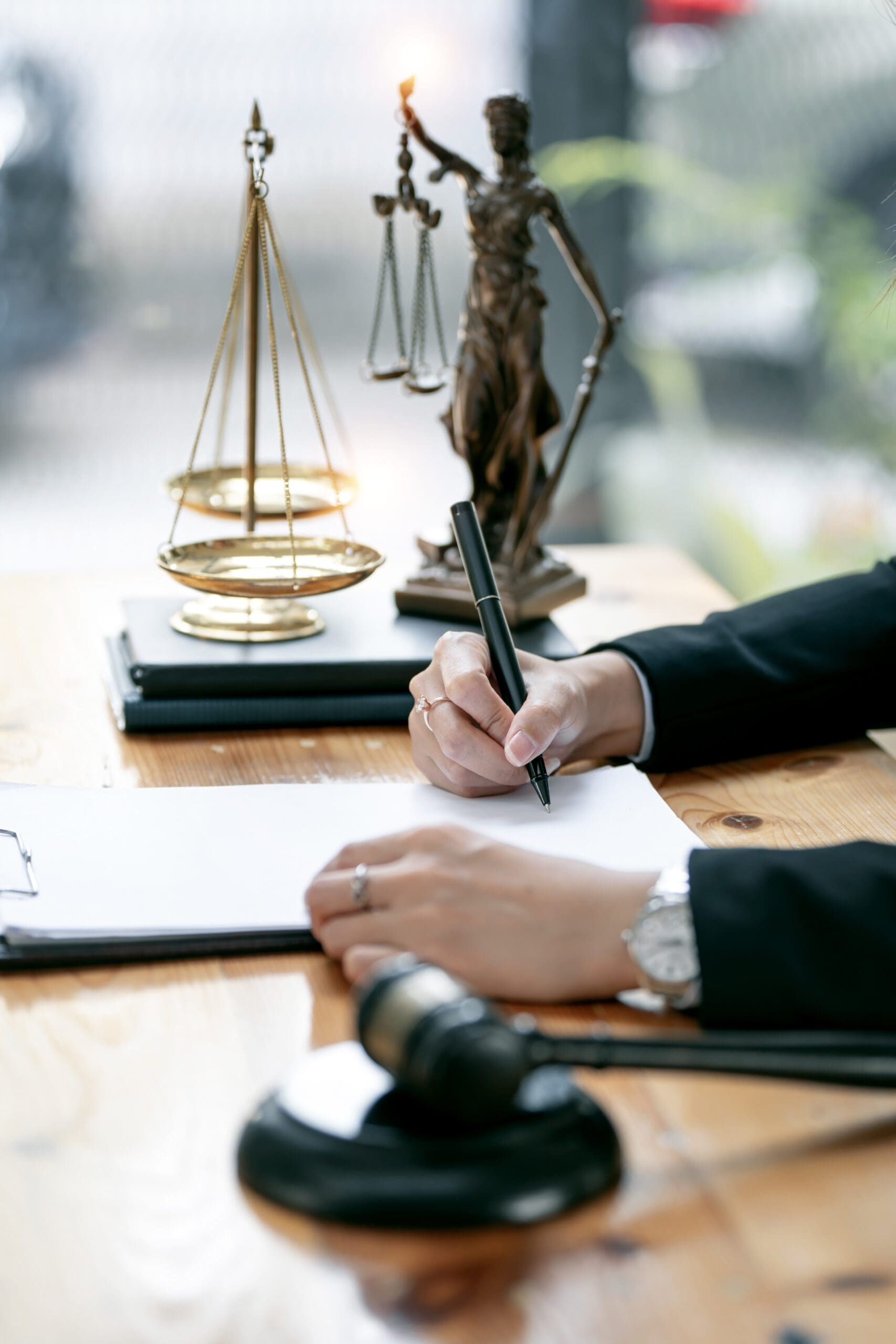
After the opening statements, each attorney gets the opportunity to present their evidence and to present their witness testimony. This could include things like photographs, accident reports experts, witness testimony and other evidence.
Both sides will be given the chance to make their closing arguments following the conclusion of the evidence and witness testimony phase. The arguments are based on the evidence presented and will often be a reinforcement of any key arguments or arguments that were made during the trial.
After the jury has reached an outcome that is binding on both sides, they have the right to appeal it. This usually happens on the basis of whether there was a mistake in the selection of jurors, or that the judge erred in his or her interpretation of the law. The appeals court reviews the facts and verdict and gives new rulings or decisions in the case.